
Logging & Forestry
A working landscape with lasting effects.
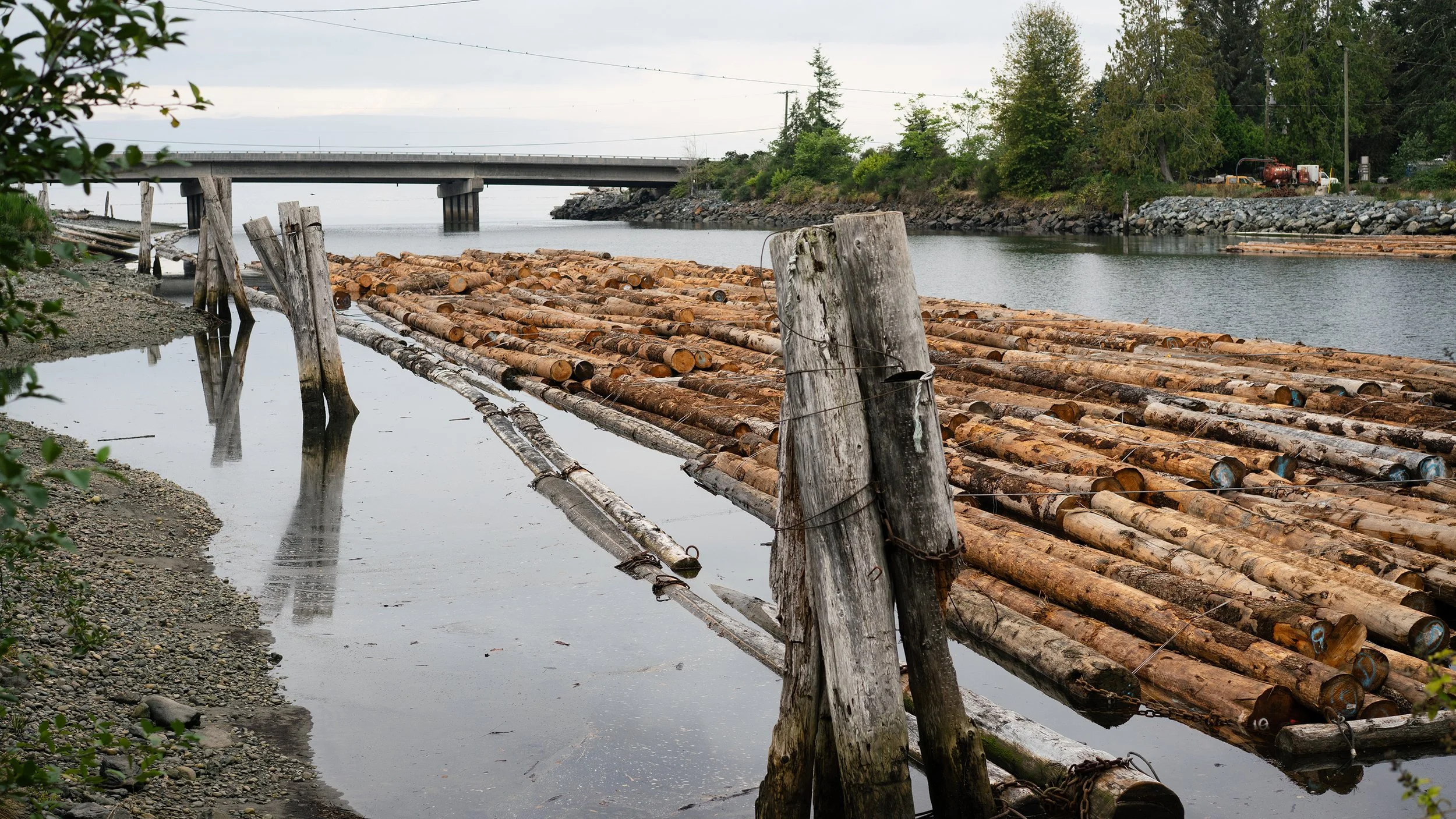
Logging and forestry have significantly shaped the lower Jordan River, particularly at the river mouth where log sorting, dredging and wood waste have altered flow, sediment movement and habitat.
These activities take place within a former estuary that still holds ecological value. A spring-fed wetland remains, supporting a range of species and offering insight into both the river’s past and its potential.
Understanding how these systems function alongside ongoing forestry operations is key to identifying opportunities for a more resilient watershed.
-
At the river mouth, the use of the Jordan River for log sorting, periodic dredging to keep channels deep enough for boats and the disposal of wood waste near the estuary have disrupted natural flow patterns, sediment movement and habitat structure.
The log sort is located on top of the historic estuary, which was infilled after a mine collapse in the 1960s.
-
Active logging and the log sort operation continue to reshape how the Jordan River functions. Using the river for log sorting, dredging the river mouth and filling in the estuary have changed how the river meets the ocean and how habitats function in that space. Together, these pressures weaken the watershed’s ability to recover from floods, drought and other climate stresses.
-
Bringing meaningful life back to the river begins with recognizing and embracing the spring-fed wetland that wraps around the entire log sort, a place already abundant with life. Sticklebacks, sculpin, salamanders, Great Blue Herons, Red-winged Blackbirds and Marsh Wrens regularly frequent this habitat.
Yet this spring-fed stretch is currently viewed as an industrial ditch, plugged by a culvert where it meets the ocean, with little awareness of its importance and potential, and no effort to support the life-giving function of this habitat: the last remnant of the estuary that sustained abundant life in the river for hundreds of thousands of years.
While the damage has been done through the historic mining catastrophe and the decision to dredge the river and infill the estuary, there is still significant potential for this habitat to support productive salmon rearing and a diversity of life alongside current logging operations.
Collaborative planning among landowners, forestry operators, regulators and knowledge holders is essential to build a more resilient watershed and a healthier river system.
Forests help slow, store and release water throughout the year. When forest structure changes, this balance shifts, leading to higher winter flows, lower summer water levels and increased sediment in streams. Together, these changes affect the watershed’s resilience and its ability to support life, including salmon.
Understanding Key Events:
-
Following colonial settlement in 1858, timber extraction expanded across the Jordan River Watershed. Forests surrounding the river and its tributaries were increasingly cleared to support settlement and industrial development, beginning long-term changes to land cover feeding the Jordan River.
-
Rail infrastructure introduced in the 1930s enabled industrial-scale logging to expand throughout the Jordan River Watershed. Harvesting intensified across the landscape, increasing road development and altering forest structure at a watershed scale.
-
As logging activity increased, the Jordan River itself was used for log sorting and storage. Logs were handled directly in the river, introducing wood debris and disturbing riverbed and estuary conditions at the mouth of the Jordan River.
-
The collapse of the copper and gold mining operations on the river caused a landslide that plugged the mouth of the river. Logging operations dredged the river, infilling much of the Jordan River estuary, which is where the log sort currently sits.
This erased the estuary, reducing rearing habitat for salmon and changing how freshwater and marine systems function at the river’s outlet.
-
Decades of harvesting, road and rail building, in-river operations, dredging and estuary infilling contributed to long-term changes in sediment, water quality and habitat conditions within the Jordan River Watershed.
-
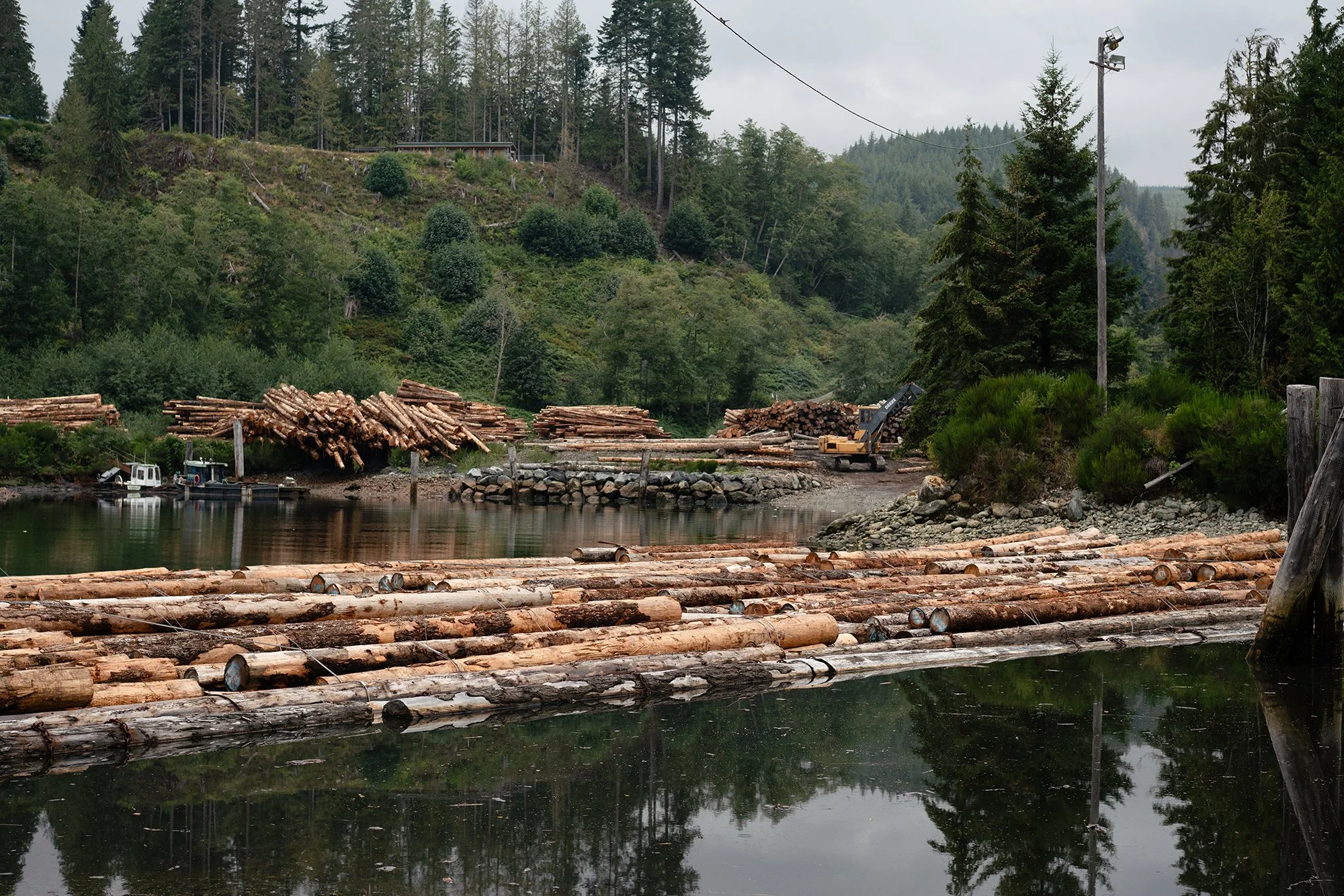
![The log sort operation at Jordan River showing log booms and piles of logs on shore.]()
Log Sort Operation
Logging trucks bring logs to the log sort site, where they’re sorted and measured on land, then placed into the water near the river mouth. The logs are then tied together into large floating bundles called booms.
-
![]()
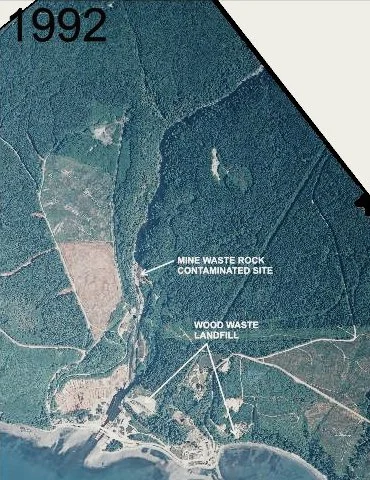
Wood Waste Landfill Locations
Where the landfill locations are from the log sort operation.
-
![]()
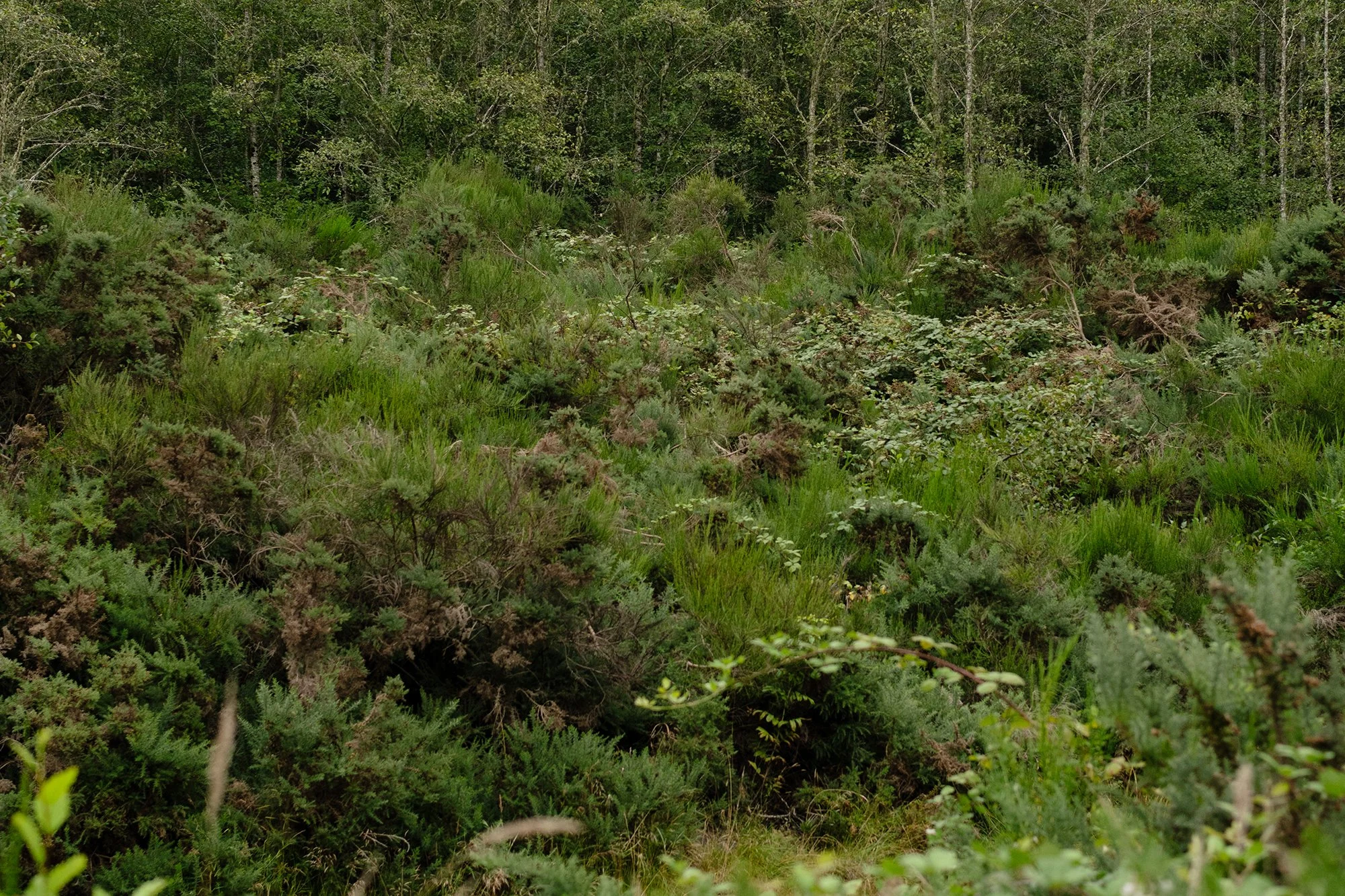
Wood Waste Landfill
Under the overgrowth sits a landfill of wood waste from the log sort.
-
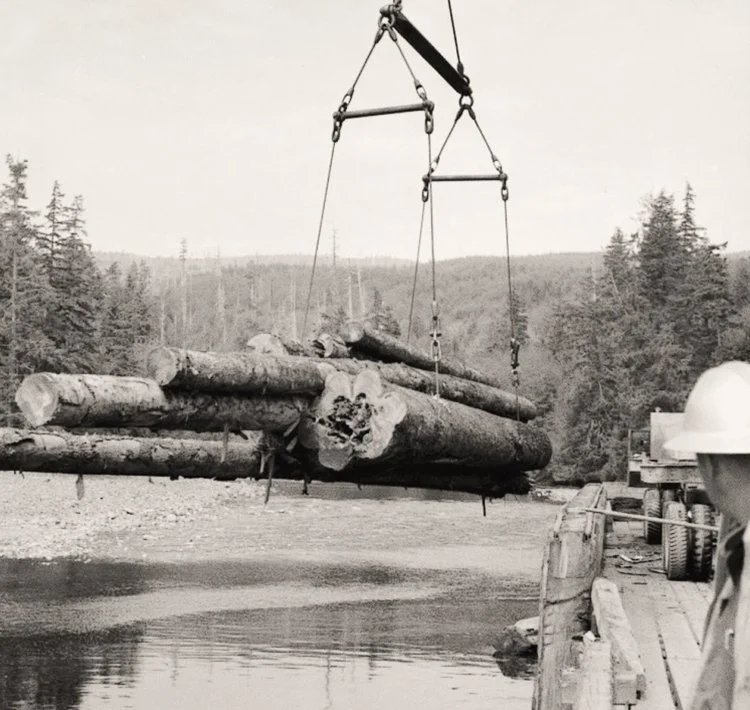
![]()
Hisotrical photo
Early days of the log sort operation.
-
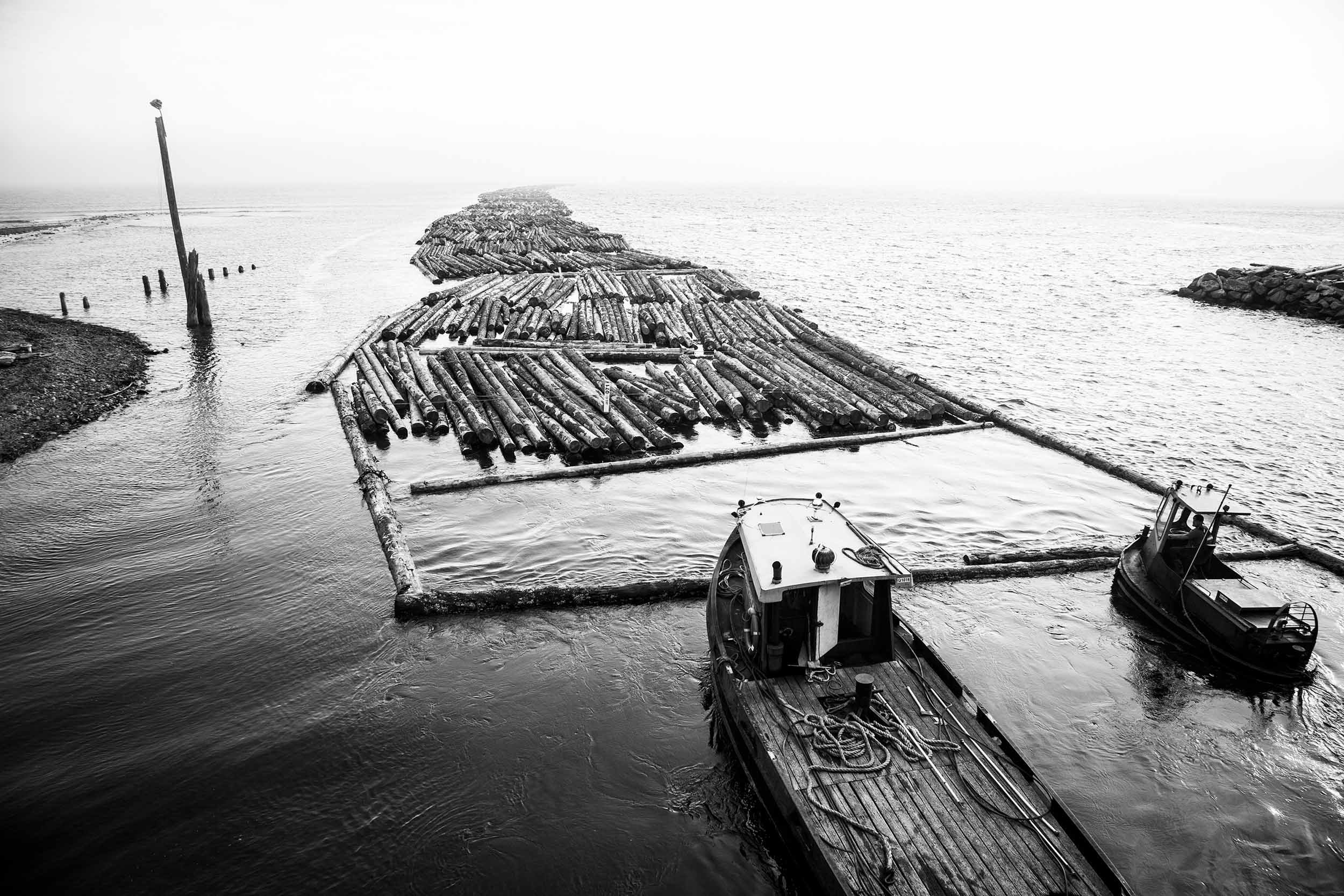
![log boom getting pushed out to sea by a tugboat]()
Log Booms
A tug boat taking a log boom out to the Strait of Juan de Fuca through the river mouth.
-
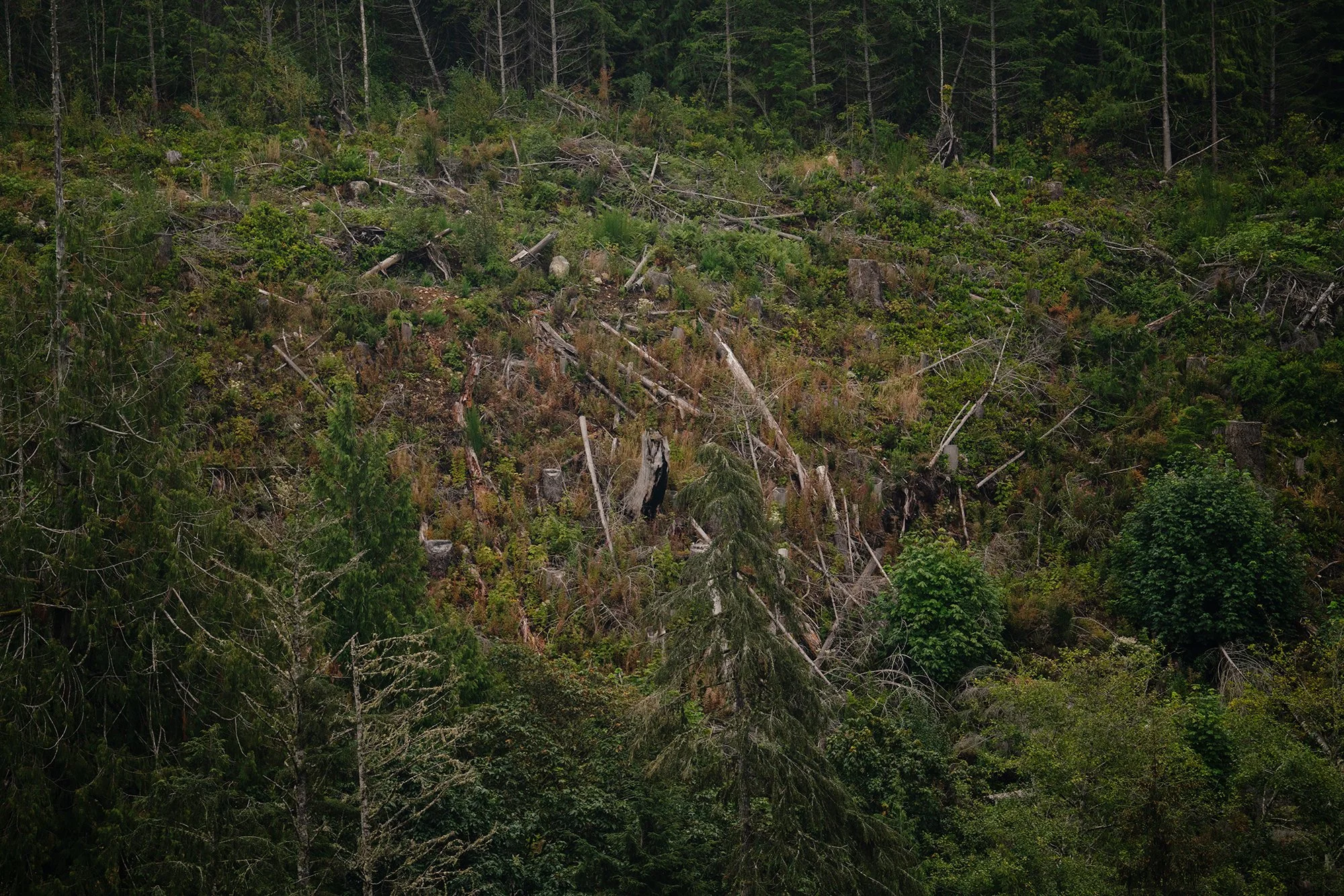
![a logged area on a steep embankment]()
River Bank
Logging along the bank above the river.
What We’re Working On.
We respect the rights and authority of Pacheedaht First Nation to log in their territory.
We hope to find common ground where industry, governments and communities can work together to protect salmon, water and the long-term health of the Jordan River watershed.
What You Can Do:

HELP FUND SOLUTIONS
Support monitoring, research and restoration that address ongoing contamination and watershed health through one-time or monthly donations.

EMAIL YOUR MLA
Add your voice. Use our draft email to let your representative know you care and ask them to take action for a healthier Jordan River Watershed.

VOLUNTEER WITH JRWA
Get involved in local monitoring, outreach and stewardship activities that support the long-term health of the watershed.
Sign up for our newsletter to get watershed news and event announcements.
KEEP LEARNING:
Read related posts on our blog, The StickleBack:


Visit the archive to explore historical records and resources: