
Copper Mining
Legacy contamination in the Jordan River Watershed.
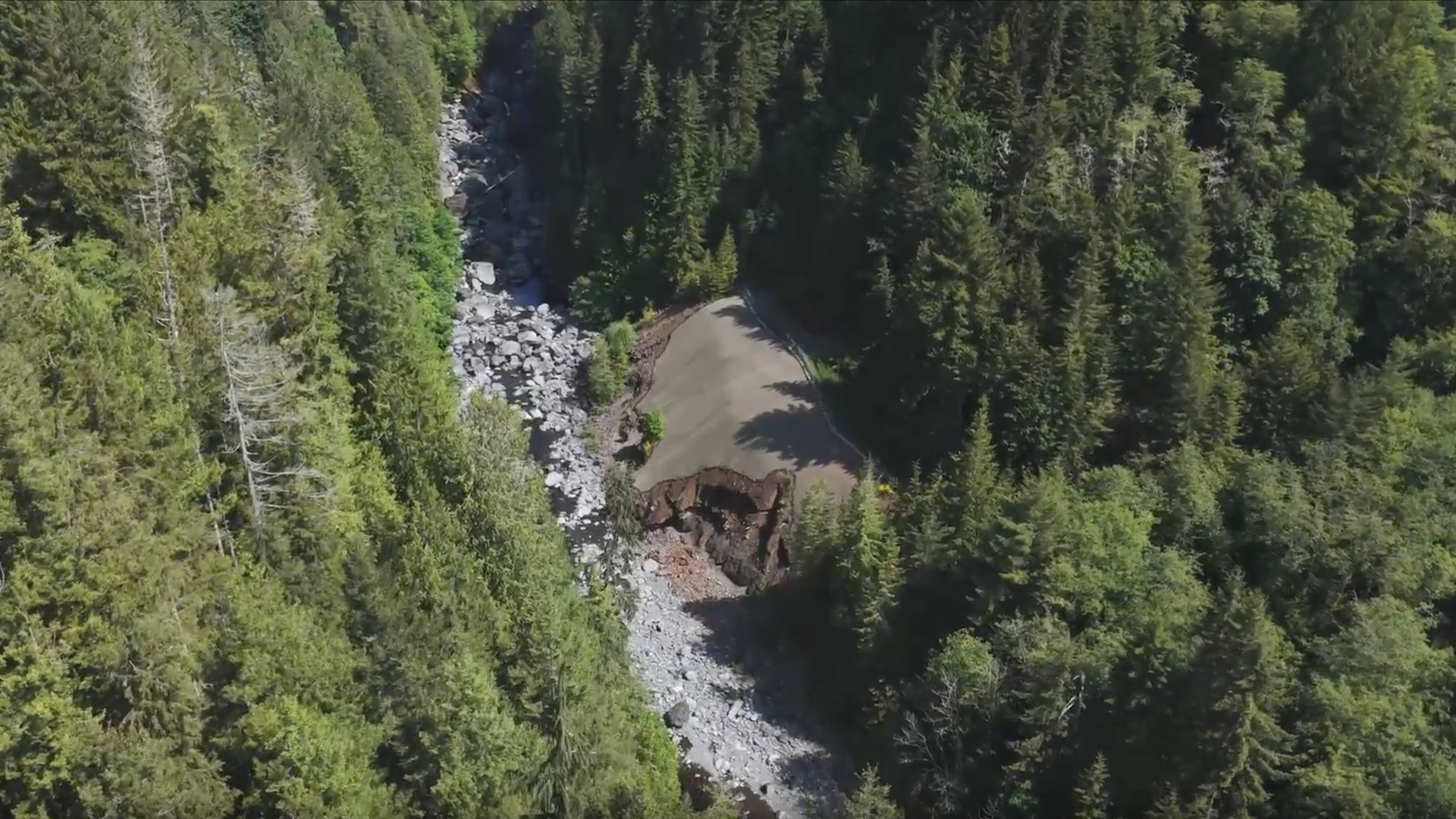
Copper mining has left one of the most persistent environmental legacies in the Jordan River Watershed. While mining activity itself ended decades ago, large volumes of mine waste and tailings generated during operations were never fully contained or remediated. These materials continue to release metals into the watershed, making mine tailings the most significant ongoing source of water quality contamination today.
The mine has polluted the river and the surrounding environment for over 70 years.
-
Copper mining in the Jordan River Watershed produced large volumes of untreated mine tailings and waste rock that were never fully contained. These materials were discharged into the river, surrounding lands and coastal waters (including Maple Bay), and remain on site today. As they continue to leach metals into water and sediments, mine tailings remain the primary ongoing source of contamination.
-
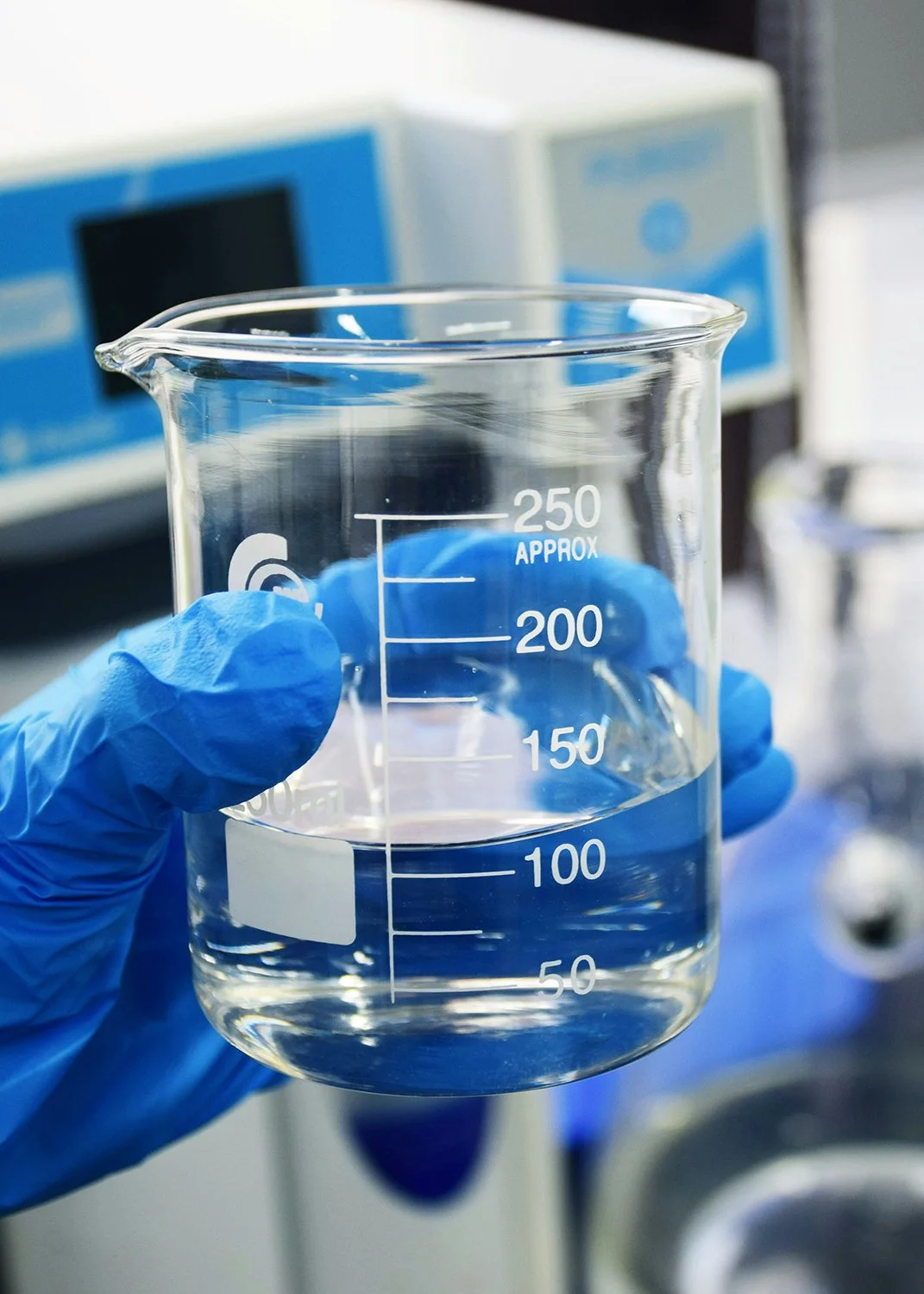
Metals such as copper can harm aquatic life even at low concentrations, affecting fish behaviour, reproduction and survival. Our water samples from show copper levels more than 300 times higher than the provincial guideline for freshwater aquatic life (2 ug/L) is flowing into the river. This contaminated water continues to flow downstream, limiting ecological recovery and reaching the beaches and nearshore waters where people surf, swim, beachcomb and gather.
-
Reducing contamination from mine tailings requires long-term monitoring, assessment and remediation. Progress depends on coordinated action among governments, landowners, rights holders and scientists to manage remaining waste materials and improve water quality over time.
It is imperative we combine our voices and put pressure on those responsible to enact large-scale clean-up and remediation.

Testing has found copper levels in water feeding into the Jordan River at more than 300 times the provincial guideline for freshwater aquatic life (2 µg/L). That contamination continues downstream until the river discharges into the ocean at a popular surf spot.
While the full implications for public health are not yet clear, ongoing exposure to elevated copper levels is concerning.
Understanding Key Events:
-
Copper and gold mineralization was discovered in the Jordan River canyon in 1915. Mining activity continued intermittently under various operators until 1975, leaving a lasting industrial footprint in the watershed.
-
In December 1963, mining operations pushed a crown pillar to within 17 metres of the riverbed, causing a catastrophic collapse. The entire flow of the Jordan River entered the mine, triggering a blowout that released large volumes of debris downstream and permanently altered river channels and surrounding land.
-
An underground milling operation produced fine-grained mine tailings and flotation chemicals that were pumped through pipelines to tidewater. Disposal systems failed repeatedly, resulting in widespread contamination of terrestrial, river and marine environments.
-
An estimated 800,000 tons of mine tailings were deposited at Maple Beach (the bay south of The Jordan River Regional Park), contaminating coastal sediments and nearshore waters. These materials contained copper and other metals that continue to affect the local environment.
-
Despite objections from residents, fishers and government officials, permits were granted to discharge mine tailings into the Salish Sea via a submarine pipeline. The pipeline broke multiple times, allowing tailings to drift inshore and contaminate shellfish and beaches.
-
A provincial inspection report concluded that final reclamation at the Sunro Mine was satisfactory. This determination did not account for long-term environmental contamination, and responsibility for the site was subsequently returned to the Crown.
The report has not been made public, and commitments made by the government to review the process have not been fulfilled.
-
In 2012, Teck was identified as a potentially responsible party for contamination from the mine. In 2014, the Ministry of Environment classified the site as potentially high-risk, requiring Teck and Western Forest Products to complete a Site Risk Classification Report. More than a decade later, progress has been slow, with limited action taken toward cleanup or restoration. The mine has polluted the river and surrounding environment for over 70 years, while governments and companies continue to resist meaningful restoration.
Multiple studies and water sampling programs have documented elevated metal concentrations downstream of the mine site, including copper levels far exceeding provincial guidelines for freshwater aquatic life. Contamination from remaining waste materials continues to affect the watershed today.
-
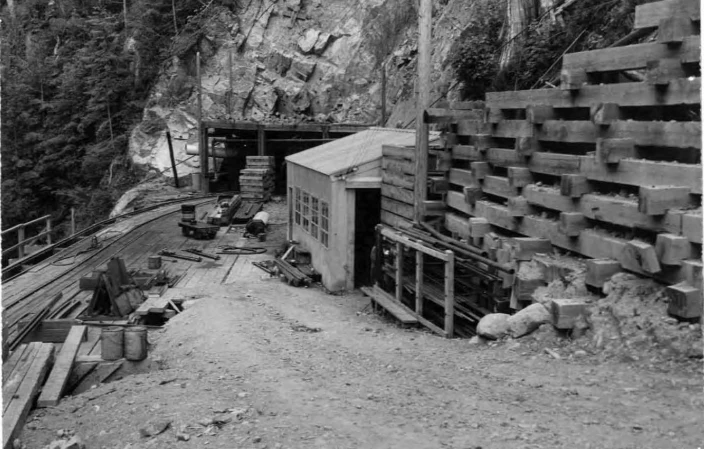
![A platform and tracks leading into a mine portal, black and white historical image]()
Copper Mine Portal
A photo from 1958 showing the access point to the mine with tracks for minecarts to transport materials in and out.
-
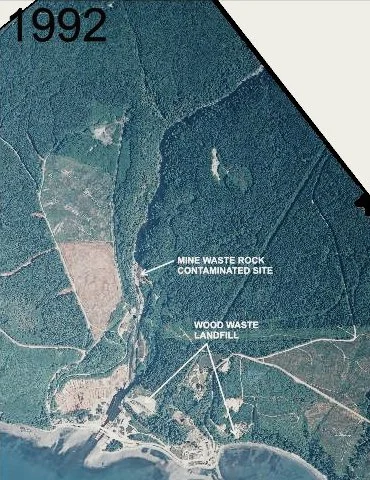
![Mine Waste Rock Contaminated Site]()
Mine Waste Rock Contaminated Site
Aerial image taken in 1992 showing the location of the mine waste rock contaminated site.
-
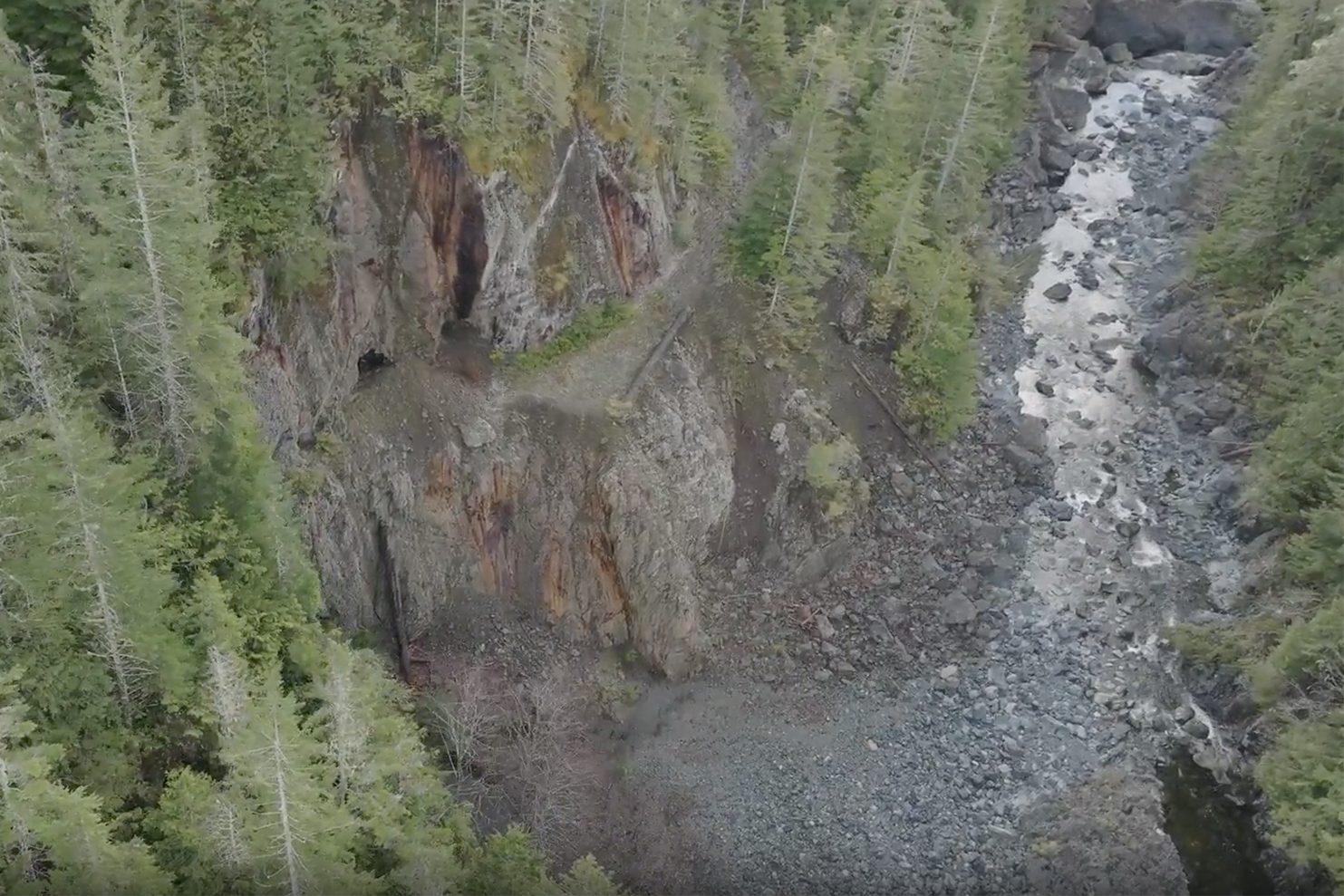
![Tree lined, rocky canyon with holes blown into the left side back for mining]()
Copper Mine
Present day remnants of the mine.
-
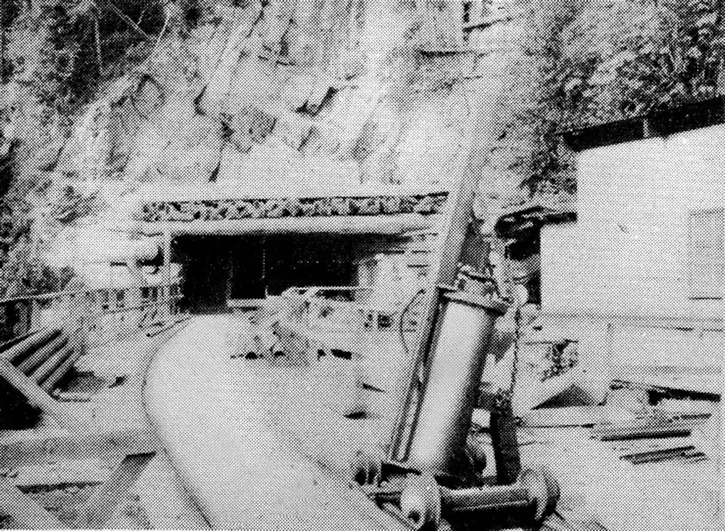
![black and white historical photo of a mine entrance into a cliffside, path leading to a dark rectangular opening]()
"The mine that flooded"
Image from the Sooke Museum for the article The mine that flooded in the Sooke Mirror.
What We’re Working On.
We’re working to build awareness and support for addressing mine-related contamination in the Jordan River watershed. Our efforts to date have included a limited number of surface water and sediment samples, helping to build a clearer picture of current conditions.
Access to the mine site remains restricted, and comprehensive testing, including analysis for metals and petrochemicals, is costly. In addition to the Sunro Mine, there are several other abandoned and contaminated sites in the area. Various environmental assessments have been conducted over the years, many associated with historic work camps, wood waste and landfills.
Addressing these issues will require coordinated effort, sustained attention and collaboration. We are working to ensure these challenges remain visible and part of ongoing conversations about the watershed’s future.
What You Can Do:
HELP FUND SOLUTIONS
Support monitoring, research and restoration that address ongoing contamination and watershed health through one-time or monthly donations.

EMAIL YOUR MLA
Add your voice. Use our draft email to let your representative know you care and ask them to take action for a healthier Jordan River Watershed.
VOLUNTEER WITH JRWA
Get involved in local monitoring, outreach and stewardship activities that support the long-term health of the watershed.
Sign up for our newsletter to get watershed news and event announcements.
KEEP LEARNING:
Read related posts on our blog, The StickleBack:
Visit the archive to explore historical records and resources: